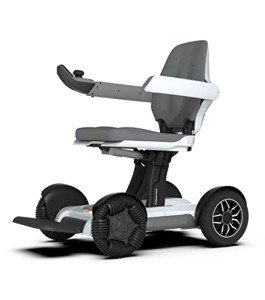
5 Reasons To Be An Online Mobility Scooter UK Buyer And 5 Reasons Not To
Mobility Scooters in the UK: A Comprehensive Guide
In the United Kingdom, mobility scooters are ending up being a progressively popular means of transportation for individuals with mobility problems, offering them with the liberty to navigate their neighborhoods separately. buy mobility scooter are designed to assist those who have trouble walking or utilizing a manual wheelchair, offering a practical and comfortable option for daily travel. This post explores the world of mobility scooters in the UK, exploring their advantages, legal requirements, and how to choose the best one.
Introduction to Mobility Scooters
A mobility scooter is a battery-powered vehicle that typically has 3 or 4 wheels, a seat for the motorist, and handlebars for steering. They are designed to be easy to use and maintain, making them ideal for older grownups and people with impairments who desire to preserve their self-reliance. Mobility scooters can be found in various sizes and models, each accommodating different requirements and preferences.
Benefits of Mobility Scooters
- Increased Independence: Mobility scooters allow users to take a trip longer ranges without the physical pressure related to walking or utilizing a manual wheelchair. This self-reliance can significantly boost their quality of life.
- Affordable: Compared to other motorized lorries, mobility scooters are reasonably cost effective. They also require very little upkeep, which can save users a lot of money in the long run.
- Alleviate of Use: Most mobility scooters are developed to be easy to use, with instinctive controls and comfy seating. They are often light-weight and can be quickly taken apart for transportation.
- Improved Social Interaction: By enabling users to venture out more often, mobility scooters can assist decrease sensations of isolation and solitude, promoting social connections and neighborhood involvement.
- Improved Safety: Mobility scooters are geared up with functions such as headlights, brake lights, and horns, making them much safer for use on roadways and in public spaces.
Types of Mobility Scooters
When picking a mobility scooter, it's crucial to think about the type that best suits your requirements. Here are the main types readily available in the UK:
Class 2 Mobility Scooters:
- Speed: Limited to 4 miles per hour (6.4 km/h)
- Usage: Suitable for pavements and pedestrian areas
- Functions: Compact and lightweight, collapsible for easy transport
Class 3 Mobility Scooters:
- Speed: Can reach up to 8 miles per hour (12.9 km/h)
- Usage: Suitable for both pavements and roads, supplied they are signed up and insured
- Functions: Sturdier build, often with more innovative features like suspension and larger batteries
Sturdy Mobility Scooters:
- Capacity: Designed to support users weighing as much as 400 pounds (181 kg)
- Usage: Ideal for those who require a robust and long lasting scooter
- Features: Reinforced frame, wider seat, and boosted stability
Off-Road Mobility Scooters:
- Terrain: Built to handle rough and unequal surface areas
- Use: Suitable for users who take pleasure in outdoor activities like hiking or fishing
- Features: All-terrain tires, high ground clearance, and effective motors
Legal Requirements for Mobility Scooters in the UK
Using a mobility scooter in the UK features particular legal duties. Here are the bottom lines to think about:
- Registration and Insurance:
- Class 2 Scooters: No registration or insurance needed
- Class 3 Scooters: Must be registered with the DVLA, guaranteed, and show a valid MOT certificate if used on roads
- Chauffeur Requirements:
- Age: Users should be at least 14 years old
- Health: No particular health conditions are required, however users ought to be able to manage the scooter safely
- Speed Limits:
- Class 2 Scooters: 4 miles per hour (6.4 km/h) on pavements
- Class 3 Scooters: 8 miles per hour (12.9 km/h) on roadways, 4 mph on pavements
- Safety Equipment:
- Lights: All scooters used on roads must have front and rear lights, signs, and a horn
- Reflectors: Required for use on roadways, especially during low visibility conditions
- Tax and Parking:
- Tax: Class 3 scooters are exempt from automobile tax
- Parking: Users can park in designated disabled parking spaces with a valid Blue Badge
How to Choose the Right Mobility Scooter
Selecting the right mobility scooter involves considering a number of factors:
Mobility Needs:
- Range: How far do you need to travel?
- Terrain: Will you be using the scooter on pavements, roads, or off-road?
- Weight Capacity: What is the optimum weight the scooter needs to support?
Budget plan:
- Initial Cost: Mobility scooters can vary from a couple of hundred to a number of thousand pounds
- Ongoing Costs: Consider the cost of batteries, maintenance, and insurance coverage
Functions:
- Comfort: Look for a scooter with a comfy seat and adjustable controls
- Storage: Some scooters provide extra storage for shopping bags or individual items
- Portability: If you require to transport the scooter, choose a design that is lightweight and foldable
Reputation and Support:
- Brand: Research credible brand names understood for their quality and reliability
- Guarantee: Check the warranty period and what it covers
- Consumer Support: Ensure the producer or seller offers great consumer support and service
Frequently Asked Questions About Mobility Scooters in the UK
Do I need a license to drive a mobility scooter?
- No, you do not need a driving license to operate a mobility scooter in the UK. However, Class 3 scooters need to be registered with the DVLA and insured if utilized on roadways.
Can I use a mobility scooter on the pavement?
- Yes, both Class 2 and Class 3 scooters are allowed on pavements, however Class 3 scooters are restricted to 4 mph.
Exist any limitations on where I can utilize a mobility scooter?
- Class 2 scooters are limited to pavements and pedestrian areas. Class 3 scooters can be utilized on roadways, but they must fulfill particular legal requirements.
How do I maintain my mobility scooter?
- Regular maintenance consists of inspecting battery levels, tire pressure, and brake functionality. It's likewise important to clean up the scooter routinely and save it in a dry place.
Can I get a mobility scooter through the NHS?
- The NHS offers mobility scooters through the Disabled Living Allowance (DLA) or Personal Independence Payment (PIP). You can likewise acquire or rent a scooter from a personal seller.
Is a mobility scooter tax-deductible?
- In some cases, the cost of a mobility scooter can be declared as a medical expenditure. Seek advice from a financial consultant for particular assistance.
Tips for Using a Mobility Scooter Safely
- Wear Appropriate Clothing:
- Wear comfy and weather-appropriate clothing. Consider using a high-visibility jacket when utilizing the scooter on roadways.
- Maintain the Scooter:
- Regularly examine the battery, tires, and brakes to guarantee the scooter remains in great working condition.
- Follow Traffic Rules:
- Obey traffic indications and signals, and utilize designated pedestrian and cycle paths when possible.
- Usage Safety Equipment:
- Always use the headlights, brake lights, and horn, especially throughout low exposure conditions.
- Bear in mind Others:
- Be polite to pedestrians and other roadway users. Slow down when approaching crowded areas.
Mobility scooters are a valuable tool for individuals in the UK who face mobility obstacles. They offer a variety of benefits, from increased self-reliance to enhanced safety, making them a popular option for older grownups and people with specials needs. By understanding the various types of scooters, legal requirements, and how to select the right one, users can delight in the flexibility and benefit these lorries provide. Whether for everyday errands or pastime, a mobility scooter can significantly improve the quality of life for lots of people.
Additional Resources
- DVLA Website: For information on signing up and insuring a Class 3 mobility scooter
- Age UK: Offers guidance and assistance for older grownups considering a mobility scooter
- Disability Rights UK: Provides assistance on accessing mobility scooters through monetary help programs
By making the effort to research study and select the best mobility scooter, users can enjoy greater self-reliance and a more active way of life.